September 30, 2026
Prairieville Animal Hospital: Vet Clinic Services You Can Count On
By @landenvwps121
Prairieville is a place where neighborhoods converge around sidewalks, coffee shops, and the steady rhythm of daily life. For pet owners, that rhythm often includes the question of where to take a wriggling puppy for vaccines, where to bring a senior cat for a careful checkup, or how to find a clinic that treats the whole family with a sense of calm and competence. Prairieville Animal Hospital has earned a reputation not just for technical skill, but for a practical approach that matches real-world routines. The kind of practice you can lean on when your dog limps home after a muddy hike or when your cat suddenly stops eating and you’re left staring at the calendar and the calendar of your life.
What follows is a grounded portrait of the clinic’s services, the people behind them, and what you can expect when you walk in with a four-legged patient who needs care. This is not a sales pitch wrapped in bright colors. It is a map of a veterinary practice that treats prevention as a partnership and complexity as a shared challenge rather than an obstacle.
A partner you can trust
Good veterinary care hinges on relationships as much as it does on expertise. At Prairieville Animal Hospital, veterinarians and support staff speak in plain language, describe options clearly, and help you navigate decisions that affect your pet’s quality of life. The clinicians bring a mix of formal training and hands-on experience. They know the routine of a busy family schedule and the unpredictability that comes with a pet who is suddenly frightened by a new environment or aggressive in a medical setting. They also understand the emotional dimension of pet care—the sense of responsibility that comes with being accountable for a living thing that cannot tell you what hurts.
The clinic’s approach is practical, not dramatic. It starts with listening. A client walks through the door with a question about a limp, or worries about a weight change, or seeks a vaccination schedule that fits a vacation plan. The staff listens, then explains in straightforward terms what tests might be needed, what the results could mean, and what the next steps look like. This is the texture of care you notice over time: ongoing communication, consistent scheduling, and a transparent accounting of costs and expectations. In a world where medical care can feel distant or opaque, Prairieville Animal Hospital aims for clarity without sacrificing the complexity that real cases require.
What that means in practice is that you are not handed a one-size-fits-all plan. You are offered choices tied to your pet’s age, lifestyle, and risk factors. A senior dog might need a tailored geriatric plan that emphasizes kidney and joint health and that evolves with changing needs. A curious kitten might benefit from a staged vaccination plan that aligns with travel plans and socialization opportunities. The clinicians know how to balance evidence with experience, how to avoid overtesting while not missing subtle signs that could indicate bigger issues down the line.
A broad spectrum of services
No clinic can be all things to all people, but Prairieville Animal Hospital tends to cover the familiar ground that keeps most households on a steady path. You will find a core set of services designed to maintain health, catch problems early, and support you through life stage transitions. The exact menu may adapt with the calendar and the team’s evolving specialties, but the framework remains reliable.
A practical entrance point for most families is preventive care. Regular wellness exams form the backbone of early problem detection and vaccination schedules. These visits are less about treating a crisis and more about building a baseline picture of your pet’s health. The exam typically includes a physical assessment, weight check, and a discussion about dental health, nutrition, exercise, and environmental risk factors. If you have a curious puppy or a wary rescue, the team can tailor a gentle, positive-session approach to vaccinations and handling.
Diagnostics play a complementary role. When a symptom is ambiguous—say a subtle lethargy, a dip in appetite, or a limp that doesn’t clearly pin down a joint problem—the clinic can deploy imaging, laboratory testing, and a careful clinical review. The goal is to reduce the guesswork and provide a precise path forward. The lab work can be performed in-house or sent to a trusted partner, with results explained in terms you can act on.
The veterinary professionals at Prairieville Animal Hospital also manage acute care with sensitivity. A pet that suddenly starts vomiting or develops trouble breathing demands swift, careful assessment. In such moments the team leverages established protocols, but remains flexible enough to adjust to the pet’s temperament and the family’s constraints. The overall tone in these tense moments is steady rather than sensational, a reminder that good medical care earns trust through consistency, not dramatic flare.
In addition to medical treatment, the clinic offers several supportive services that help you keep your pet thriving day to day. This includes dental care, which is often overlooked until a problem becomes painful. A dental visit at Prairieville Animal Hospital includes a thorough exam, cleaning, and when needed, extractions or restorative work. Regular dental care can prevent complications that ripple through a pet’s overall health, from heart health to gum disease that makes eating painful.
Nutritional guidance also makes an appearance as a practical service. Diet is a core determinant of energy, coat quality, and long-range health. The staff can help you choose a food plan that aligns with age, weight, activity, and any known allergies. They do not “sell you” a single product but support you in making informed choices for your household budget and your pet’s comfort.
The clinic’s readiness extends into surgical and anesthetic services. When a procedure is needed, you can expect careful preoperative assessment, modern monitoring during anesthesia, and a post-operative plan that includes pain management and clear instructions for home care. The surgical team is careful about minimizing risks, especially for older pets or those with chronic conditions. The aim is to get your pet through the operation with confidence and a return to daily life as quickly as possible.
If your pet’s needs extend into more complex or specialized care, Prairieville Animal Hospital can serve as a stepping-stone to deeper resources. The team knows when to bring in a referral, whether that means a veterinary dermatologist for persistent skin issues, an orthopedic specialist for a chronic joint problem, or a cardiology consultation when heart health enters the picture. The philosophy here is pragmatic: know your limits, protect your pet, and maintain an open line of communication with the family about what comes next.
The patient care philosophy
Care at Prairieville Animal Hospital rests on a few core commitments. The first is accessibility. The team strives to align appointment times with real-life obligations, understanding that families juggle work, school schedules, and pet responsibilities. The second is transparency. Cost discussions, prognosis, and treatment options are shared clearly and honestly. The third is empathy. The clinicians recognize the emotional dimension of veterinary care—the anxiety that accompanies a sick pet and the relief that follows a positive response to treatment.
A practical note on pain management and comfort: the clinic keeps a close eye on the pet’s comfort throughout any procedure or recovery. Pain recognition is not left to chance. Staff members are trained to notice subtle changes in expression, posture, or behavior that may indicate discomfort. They adjust protocols accordingly, prioritizing gentle handling, appropriate sedation, and post-procedure support. In routine visits, they offer guidance on home comfort measures as well, from environmental modifications to the right kind of enrichment that keeps a recovering pet engaged without overexertion.
A patient-centric environment
One of the most consistent impressions after a visit is how the clinic balances professional seriousness with a human touch. The waiting room is organized to reduce stress: quiet corners, calm scents, and a staff member who checks in with the owner before the exam. The veterinarian, when speaking with a family, uses concrete terms and avoids jargon that leaves pet owners uncertain about what is happening or why a particular step is recommended. This isn’t about removing complexity; it’s about translating complexity into something your family can act on confidently.
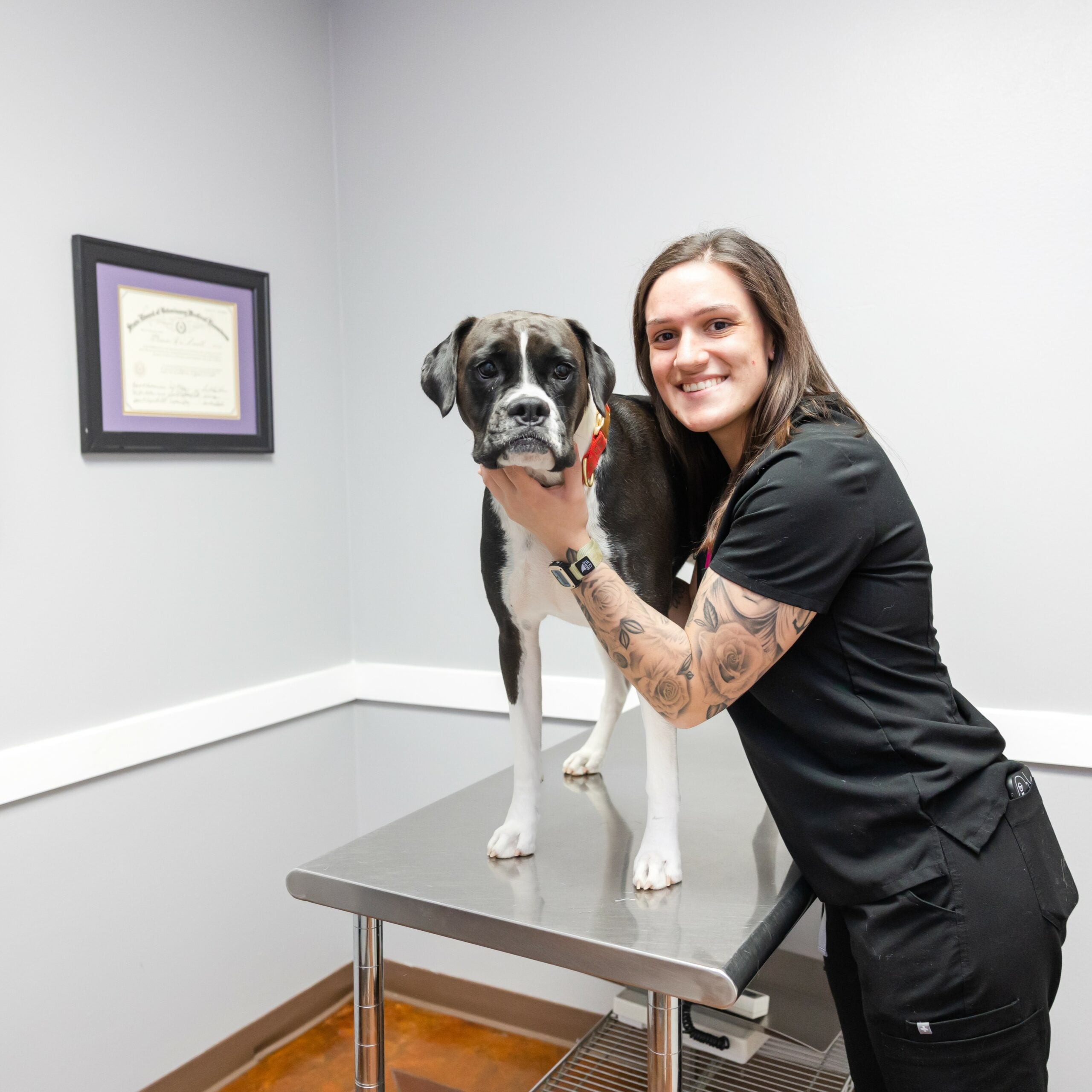
In the exam rooms, the clinicians take time to observe the animal’s behavior in context. They watch how a dog stands, how a cat moves, how the pet reacts to touch in different areas. They ask questions about daily routines, sleep patterns, and appetite. They listen for how the pet’s symptoms are affecting the household: the way a pet’s night-time restlessness disrupts the family, or how a picky eater makes mealtime a source of stress. The goal is to connect the clinical picture with visit website everyday life so the plan you adopt is sustainable.
Two essential anchors you will encounter in the clinic
- A straightforward preventive care schedule tailored to your pet’s age and risk factors.
- A clear, collaborative decision-making process around diagnostics, treatment, and costs.
What to expect on your first visit
If you are new to Prairieville Animal Hospital, the first appointment tends to set a tone for what follows. The front desk team will ask for basic information, including vaccination history, current medications, and any relevant notes about your pet’s behavior at home. The veterinary team will begin with a calm, thorough physical examination. They will check temperature, weight, heart and lung sounds, eyes, ears, mouth, coat condition, and joint mobility. This is not a rushed scan but a careful survey that helps them understand your pet’s baseline and identify anything that stands out.
If vaccines are due, the team will explain the rationale behind each one, including why certain vaccines are recommended at particular ages or in relation to lifestyle. They will also discuss adverse reactions and what you should watch for after leaving the hospital. In many cases, a plan will be drafted that fits your calendar and your pet’s needs, rather than pushing a cookie-cutter schedule.
Diagnostics, when indicated, are approached with the same practicality. A blood panel might be recommended to screen essential organ function or to establish a baseline for a pet embarking on a new life stage. Urinalysis could be part of a wellness workup or a response to a symptom. If imaging is necessary, you can expect clear explanations about why the test is needed, what information it will provide, and how long results will take. If there is a suspicion of a more complex issue, the team will outline a stepwise plan that considers both medical necessity and the family’s constraints.
Follow-up and ongoing care
The value of veterinary care often emerges in the days and weeks after a visit. Prairieville Animal Hospital emphasizes follow-up communication. If a test yields a result that requires a plan adjustment, the staff will reach out with explanation and options. If a pet is recovering from surgery, the team will provide practical home-care instructions, a schedule for medications, and signals for when to return for a check-in. A good clinic stays with you through that period, answering questions as they arise and easing the emotional burden that accompanies recovery.
For families with long-term care needs, the clinic offers continuity. Regular wellness visits can be spaced to align with a pet’s life stage while still capturing important health markers. The staff will remind you when a shot is due or when a screening test should be repeated to monitor a chronic condition. The underlying aim is to prevent crisis, not merely respond to it when it arrives.
Pet owners share stories of reassurance from Prairieville Animal Hospital that go beyond technical proficiency. One client recalls bringing a senior beagle whose mobility had begun to decline. The team crafted a gentle exercise plan, adjusted the dog’s diet to support weight management, and scheduled regular check-ins during a period of transition. The dog regained some appetite, the owner felt supported, and the household could plan daily routines with a touch more certainty. Another family with a newly adopted cat describes the relief of learning how to read the cat’s stress signals in a new environment and applying a gradual, patient approach to acclimation that paid off in better sleep and more confident behavior.
Two practical service clusters that stand out
- Preventive care and wellness exams that become a monthly touchpoint rather than a yearly formality.
- Dental care and nutrition guidance framed as long-range health investments rather than quick fixes.
Choosing Prairieville Animal Hospital
Selecting a veterinary partner is a decision that lives with you for many years. You want a practice that respects your time, explains choices, and treats your pet with consistent care. The community around Prairieville Animal Hospital tends to reflect a practical ethos: people who value reliability, who want honest conversations about what is necessary versus what is optional, and who appreciate a staff that explains not just the what, but the why behind each recommendation.
The clinic’s accessibility matters in the moment. If you work full-time, you will appreciate appointment windows in the early morning or late afternoon, and perhaps weekend slots that help you avoid taking time off. If your pet has anxiety around veterinary visits, you will value the low-stress handling techniques the team uses and the sensory accommodations that reduce fear. The team is careful not to push a rushed appointment, which can be a relief for households with multiple pets or with a pet who is particularly sensitive to new environments.
Another factor that often surfaces in discussions with clients is the clarity around costs and insurance. Prairieville Animal Hospital tends to approach this with a straightforward policy: discuss the expected costs of tests and procedures up front, outline possible variations, and help you decide on a plan that aligns with your budget and your pet’s needs. There is no sense of pressure to sign up for a care plan you do not want; instead, there is a collaborative effort to make medical decisions that feel sustainable for you.
Edge cases and practical constraints
No medical practice operates without constraints, and Prairieville Animal Hospital is no exception. There are days when the high demand for appointments makes it difficult to secure an immediate slot for a non-emergency concern. The team counters this with efficient triage, clear guidance about when to seek urgent care, and a transparent plan for securing a follow-up appointment. For families with special scheduling needs, the clinic can often accommodate after-hours requests or coordinate with a trusted rescue to align care priorities.
Another practical constraint is the evolving nature of veterinary medicine. What is considered best practice one year may be refined the next as new research emerges. Prairieville Animal Hospital tends to communicate openly about evolving guidelines, including shifts in vaccination recommendations or diagnostic thresholds. The emphasis remains on applying the best available evidence to a specific patient, rather than following a generic script.
Long-term value for the community
The clinic’s value proposition is not primarily measured in single, dramatic interventions. It is a steady contribution to the well-being of pets and their people. Regular preventive care reduces the likelihood of emergency visits, or at least makes emergencies easier to manage by keeping pets in the best possible health. The relationship between a family and their veterinary team becomes a kind of continuity—predictable, reliable, and rooted in mutual respect.
The stories you hear from clients—about a dog who regained appetite after a careful dietary adjustment, or a cat whose dental treatment made daily grooming less painful—illustrate the everyday impact of thoughtful veterinary care. These are not glamorous victories; they are the small, concrete improvements that accumulate over months and years, shaping a pet’s comfort, energy, and zest for life.
Two lists to anchor practical takeaways
-
What to expect from preventive care:
-
Comprehensive wellness exam and baseline assessment
-
Age-appropriate vaccination planning
-
Dental health evaluation and care plan
-
Routine blood work or screenings as indicated by age and risk
-
Nutrition and weight management guidance
-
What to consider when planning a visit:
-
Bring recent medical history, including medications and supplements
-
Share behavioral notes that may affect handling during the visit
-
Prepare questions about prognosis, treatment options, and timelines
-
Ask about costs up front and possible alternatives
-
Confirm follow-up plans and any home-care instructions
Closing thoughts
Choosing a veterinary home base is more than selecting a clinic with capable hands. It is about finding a partner who speaks plainly, treats your pet with respect, and helps you navigate the inevitable uncertainties of pet health with steadiness and empathy. Prairieville Animal Hospital embodies that approach through a balanced blend of preventive care, diagnostic acumen, and compassionate, practical support for daily life with pets.
If you are evaluating options for your family, you might find it useful to observe how the team interacts with your pet and how they explain things to you. Do they answer questions with a level of detail that helps you make informed decisions? Do they acknowledge the emotional dimension of caring for a pet as well as the clinical one? Do they show a readiness to adapt plans as your life and your pet’s needs change over time?
The goal is not simply to treat illnesses, but to preserve the moments that make life with a pet so meaningful. That includes the quiet afternoons when a dog curls up at your feet after a walk, the playful pounce of a kitten that has just learned to chase a feather, and the pride that comes from watching a senior dog or cat thrive with an appropriate, humane care plan. Prairieville Animal Hospital is built on those everyday successes as much as on the moments of crisis. It is in that ongoing balance that many families discover a veterinary clinic they can genuinely count on.
❧