September 30, 2026
Prairieville Animal Hospital Veterinarians: How We Support Pet Parents during Illness
By @landenvwps121
When a beloved pet falls ill, the world narrows to a tight circle of questions, worries, and silent, hopeful moments. At Prairieville Animal Hospital, the people who stand between fear and clarity are the veterinarians, technicians, and client care specialists who have learned to read animal cues as carefully as they read a chart. This article shares how our team approaches illness with practical care, steady communication, and a philosophy rooted in real life—where the rubber meets the road and every decision counts.
From the first call to the last wellness check, illness presses in on families in different ways. Some pets suffer in silence until a routine examination reveals the problem; others arrive with a stack of anxious questions about prognosis, cost, and the daily impact on routines. Our goal is not to chase perfect outcomes in every scenario but to guide pet parents through uncertainty with honesty, transparency, and resources tailored to their unique situation. The result is care that feels personal, grounded in experience, and consistently focused on the animal’s best interests.
A practical truth about illness in pets is that veterinary medicine blends science with daily life. There are nights when a dog’s fever spikes just after dinner, and there are mornings when a cat’s appetite wavers but the heart remains strong. Our veterinarians bring years of clinical practice to the table, but they also bring a sense of what a family endures when a pet cannot tell them what hurts. That blend of professional rigor and lived experience shapes every conversation, every diagnostic test, and every treatment plan we propose.
The backbone of our illness care is a team approach. A veterinary hospital thrives when the people on the floor communicate clearly with each other and with you. It is common for a case to start with a triage evaluation at the front desk, progress into a nurse-led assessment, and then move into hours or days of coordinated medical work. In Prairieville, you will notice how this layered approach unfolds in plain terms: the most important questions are answered first, the reasoning behind tests is explained, and the timeline for each step is laid out so you can plan your life around your pet’s care rather than the other way around.
What follows is a closer look at how we support pet parents during illness, with concrete examples drawn from actual practice and a sense of the constraints that shape daily decisions in a veterinary hospital. The aim is not to present a flawless blueprint, but to offer a narrative of care that feels accessible, practical, and trustworthy.
A guiding principle
In our experience, the clearest path through illness is built on three pillars: honest communication, precise diagnostics, and collaborative decision-making. Honest communication means we do not sugarcoat uncertainties. Precision in diagnostics ensures that treatments address the root cause where possible, not just the loudest symptom. Collaborative decision-making invites you to participate in choices that affect your pet’s daily life, finances, and long-term quality of life. These three elements do not guarantee a perfect outcome, but they do create a shared map that reduces fear and builds confidence.
The people behind the care
Prairieville Animal Hospital employs a spectrum of professionals whose work is rarely glamorous but always essential. Veterinarians are the anchors who translate symptoms into a plan. They balance clinical guidelines with a practical understanding of a family’s routines and resources. Veterinary technicians provide the hands-on support that makes a plan feasible—preparing IVs, monitoring anesthetic depth, delivering medications, and tracking subtle shifts in a patient’s condition. Client care specialists act as the connective tissue, translating medical lingo into plain language, coordinating scheduling, and keeping families informed at every stage. All of us share an unspoken agreement to treat every patient as if it were our own.
The triage moment
Illness often presents in a way that forces a quick, decisive response. Over decades of practice, we have learned how to make triage decisions that maximize benefit while minimizing stress. A typical triage conversation might begin with questions that seem simple but carry heavy implications: Is the pet eating and drinking? Are there changes in urination or defecation? Is there vomiting, coughing, or labored breathing? How long have these signs been present? The aim is to separate urgent concerns from those that can be managed with a careful plan over time. Sometimes this means a same-day appointment and a rapid set of tests; other times it means stabilization and monitoring before a full diagnostic workup.
The diagnostic journey, in practice
Diagnostics are the heart of illness care, because the right test can illuminate the path forward and spare a family from guesswork. We operate with a cautious openness about what tests are truly necessary. Blood work, imaging, and sometimes more specialized studies have clear rationales labeled in everyday terms: “This helps us see if the liver is inflamed, if there’s airway obstruction, or if an infection is present.” We explain what we’re looking for, what the results might suggest, and how those results will influence treatment choices. When costs or potential side effects threaten to derail a plan, we discuss alternatives or staged approaches rather than pushing a one-size-fits-all solution.
Treatment plans as living documents
Medicine is rarely a straight line. Most illness scenarios in pets require a plan that adapts to the animal’s response. A typical treatment plan evolves with each clinical update. Your veterinarian might start with a course of medications, dietary adjustments, and instructions for home care. A few days later, a recheck could adjust dosages, swap medications, or bring in a different diagnostic test to verify progress. We aim to keep these plans transparent and navigable, with clear indications of what you should monitor at home and when to call in for a recheck or emergency assessment.
What to expect during a hospital stay or extended treatment
For some illnesses, care extends over multiple days and even weeks. In such cases, your pet’s comfort and emotional well-being become as important as the medical interventions. We pay attention to pacing relief and minimizing stress. This means quiet rooms for cats with limited stimuli, careful handling for seniors and arthritic patients, and gentle, predictable routines for dogs who cope best with familiar smells and structures. Our nurses become your pet’s constant companions, providing reassurance with soft voices, gentle paperwork, and frequent updates that explain what happened, what comes next, and how long you might expect to wait for results.
Engaging families in daily decisions
We recognize that illness disrupts life not just for pets but for the people who care for them. Scheduling a pet’s rounds during work hours, managing medication administration at home, and weighing the cost and benefit of tests are all real-life considerations. Our team works to integrate medical needs with family logistics. That often means offering flexible appointment times, demonstrating how to administer meds, and giving practical guidance on home care routines like feeding, hydration, and monitoring for warning signs that would necessitate an urgent visit.
The experience of illness is never one-size-fits-all
Two families can face the same diagnosis and inhabit entirely different emotional and practical worlds. One household might navigate a chronic condition with strict daily routines and a careful budget. Another may be dealing with an acute illness that requires fast decisions and a temporary pause on certain activities. Our veterinarians meet each family where they are, acknowledging the emotional weight and the financial realities without judgment. This approach fosters trust and keeps care aligned with the pet’s best interests while honoring the family’s capacity to participate in the plan.
Clear, compassionate communication that makes a difference
When a pet becomes ill, families need to understand what is happening, why it matters, and what to expect next. We prioritize clear communication that avoids medical jargon when possible, but does not dumb down essential facts. We take time to listen to concerns and then translate them into actionable steps. For example, if a dog returns from surgery with a prescribed pain management plan, we walk through the dosing schedule, potential side effects to watch for, and how to space activities to support healing. If a cat is on a new diet to manage a digestive condition, we explain why this particular formulation was chosen, how to transition gradually, and what signs would indicate a need to revisit the plan.
The role of technology in illness care
Technology has a place in modern veterinary medicine, but it does not replace the human touch. We use digital records to keep every team member informed, ensuring that a change in a patient’s status is immediately visible to the person responsible for the next step. Imaging and lab results are shared with families in plain language, supplemented by diagrams or patient summaries that highlight the next actions. Online portals and reminder systems help families stay on track with medications, appointments, and follow-up care. Yet the most valuable tool remains the clinician’s ability to interpret a patient’s behavior, energy level, and appetite in the moment and to translate those observations into a practical plan that fits the family’s life.
Support that extends beyond the hospital doors
Illness often goes beyond the confines of a clinic visit. Stress, anxiety, and fear can compound a pet’s symptoms, and families frequently seek reassurance long after the exam room has emptied. We offer guidance that travels with you home and into routine life. That means detailed aftercare instructions, check-in calls to gauge progress, and a willingness to adjust plans as new information becomes available. For chronic conditions, we help families build sustainable care models that can be steady, rather than episodic, ensuring that the animal’s day-to-day quality of life remains a central consideration. If a long-term plan is necessary, we discuss nutrition, exercise, mental stimulation, and environmental modifications that support healing and ongoing wellness.
Two practical ways we support families during illness
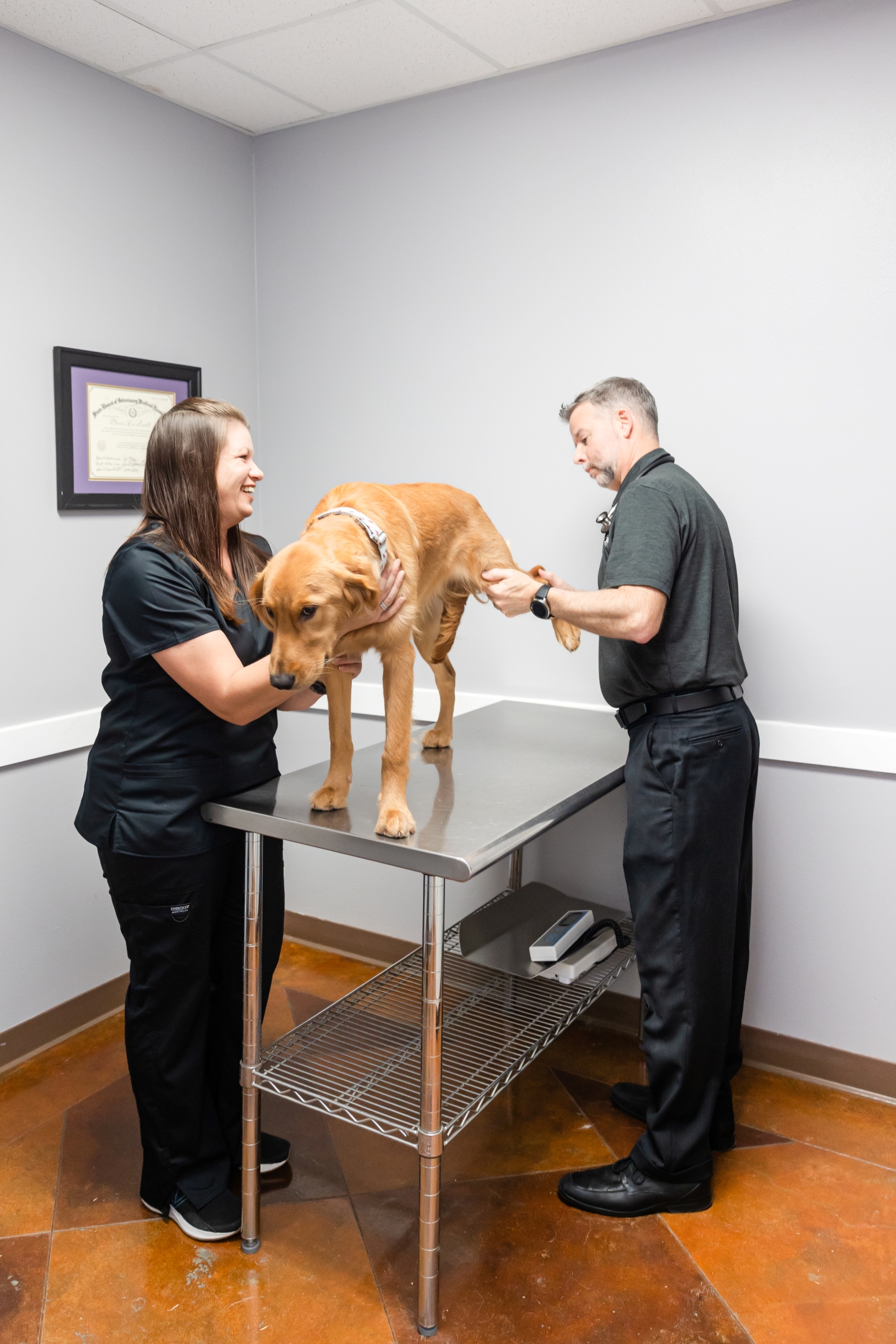
To illustrate how these principles show up in real life, consider two common scenarios that arrive at Prairieville Animal Hospital. First, a middle-aged dog presents with a stubborn limp and fever. A veterinarian conducts a physical exam, orders a few targeted tests, and identifies a localized infection that responds well to a short course of antibiotics and anti-inflammatory medication. The plan includes a recheck in one week, a simple home care routine, and a message to monitor for any worsening signs such as vomiting, lethargy, or loss of appetite. The family leaves with concrete steps, a clear sense of what to watch for, and the reassurance that if the dog does not improve, the next steps are already outlined.
Second, a senior cat with ongoing kidney concerns arrives for a periodic evaluation. The focus shifts from an urgent, high-stakes intervention to careful, ongoing management. We review current meds, discuss a modest diet adjustment, and plan for routine blood work to track kidney function. The family appreciates the reliability of a predictable schedule, the way the team explains the rationale behind every change, and the simple, practical guidance on how to administer pills to a Prairieville Animal Hospital prairievilleanimalhospital.com picky eater. In both cases, the patient benefits from a plan that is thorough yet humane, sequential rather than overwhelming, and designed to fit real life.
Two lists to illustrate services and channels
-
Comprehensive illness management including diagnostics, targeted therapies, and preventive planning.
-
Pain control and palliative care tailored to the animal’s comfort and daily needs.
-
Nutritional guidance aligned with medical goals and owner preferences.
-
Home care support with clear, written instructions and demonstration when needed.
-
Follow-up scheduling that ensures continuity and reduces anxiety.
-
Direct phone line for urgent questions and same-day triage when possible.
-
Online client portal for viewing test results, updating contact information, and messaging the team.
-
In-person consultations that allow for walk-through of home care tasks and medication administration.
-
Weekly updates during longer treatment courses to keep families informed of progress.
-
Transparent discussion of costs, with price ranges and possible alternatives so families can plan responsibly.
A note on edge cases and the realities of practice
No two illnesses unfold identically, and some cases demand flexible, sometimes unconventional thinking. We encounter situations where a diagnosis is uncertain and time is of the essence. In those moments, we lean into close observation, repeat testing if needed, and a willingness to pivot. Our teams understand that early aggressive treatment can be life-saving in some conditions, while in others, careful watchful waiting minimizes risks and preserves the animal’s quality of life. The art lies in balancing urgency with restraint, ensuring that interventions do not create new problems while addressing the one at hand.
Building a resilient partnership with pet parents
When illness disrupts daily life, families often feel like their routine has been hijacked by medical logistics. Our approach is to reassemble that routine piece by piece, so the path forward feels manageable rather than ominous. This involves setting realistic expectations about recovery timelines, clarifying the purpose of each test, documenting the plan in plain language, and scheduling check-ins at intervals that align with the animal’s needs. In practice, it means that a caregiver who arrives with questions about a single symptom can leave with a broader understanding of how that symptom fits into the overall trajectory of care.
The emotional arc of illness
Beyond the clinical numbers and the test results lies a human story. Fear can surge when a beloved companion cannot vocalize pain, and hope can waver when recovery seems slow. Practicing presence means listening to concerns without quick judgments and offering reassurance grounded in experience. It means acknowledging that even when a plan is technically sound, it may still be emotionally challenging. We aim to honor those emotions by keeping you informed, involved, and empowered to make decisions that feel right for your family.
Family-centered care in action
A practical example from a recent case helps illustrate how these principles translate into daily practice. A dog with a recent diagnosis of early-stage pancreatitis required hospitalization for hydration, pain control, and close monitoring of appetite. The veterinarians explained the condition in terms that a non-clinician could understand, outlining how dehydration and GI irritation can perpetuate discomfort. The team coordinated with the owners to adjust the dog’s home environment to reduce stress, set up a quiet space, and provide consistent, small meals spread throughout the day. The hospital stay included short, frequent updates to the family via the client care specialist, plus a clear plan for the week ahead that included at-home administration of medications and a progression schedule for appetite and activity. The end result was a patient who recovered steadily, with owners who felt equipped to participate in every step.
Another case involved a cat with a suspected urinary tract issue. The veterinarian performed a rapid assessment, explained that imaging and urine tests would help confirm the diagnosis, and discussed potential treatments depending on the results. The cat’s owner appreciated the candid talk about what a successful outcome would look like and what steps might be necessary if the initial plan did not yield the expected improvement. The team balanced the need for thorough testing with the reality of the owner’s financial constraints, proposing a staged approach that allowed for careful monitoring while avoiding unnecessary expenses. When the cat became more comfortable and the signs resolved, the family experienced relief and a sense that they had navigated a challenging moment together.
Practical advice you can use today
Even well-prepared families can feel overwhelmed when illness strikes. Here are practical tips to help you stay grounded during the process:
- Keep a notebook or digital record of signs you observe, medications given, and any changes in appetite or energy. This becomes a valuable companion during rechecks and helps the veterinarian detect patterns.
- Ask for a simple, written plan whenever a new test or treatment is introduced. A one-page summary that you can refer to at home reduces confusion and improves adherence.
- Request demonstrations for medication administration, especially if your pet resists taking pills or requires a precise dosing schedule. A short practice session can prevent mistakes.
- Use the client portal to review results, ask questions, and confirm appointment times. The less you have to rely on memory the better, particularly during stressful moments.
- Plan for the first 24 to 48 hours after a new treatment. Some pets show early responses, others need a few days to adapt. Knowing what to expect helps you stay calm and responsive.
The long view: prevention as a companion to illness care
Illness care and preventive care walk hand in hand. Vaccinations, parasite control, dental health, and routine screenings create a baseline of resilience that makes illnesses easier to detect early and treat effectively. Our veterinarians emphasize the connection between preventive measures and the ability to manage illnesses with fewer disruptions to daily life. When illness does arise, families who have maintained regular checkups often experience shorter courses of treatment, clearer explanations, and more predictable progress.
A final word about the role of veterinarians and pet parents
The relationship between a pet and its human is intimate and enduring. When illness disrupts that bond, the most important thing a veterinary team can offer is reassurance grounded in competence and lived experience. We strive to be precise in our medical judgment, patient in our explanations, and steady in our support. That is the baseline of what you can expect from Prairieville Animal Hospital veterinarians and the rest of the team—an enduring commitment to your pet’s health and your family’s peace of mind.
If you are facing a medical question, recall that you are not alone in the process. The team at Prairieville Animal Hospital stands ready to collaborate with you, to listen, to explain, and to help you navigate the tricky landscape of illness and recovery. The goal is to emerge from difficulty with clarity, a plan that feels doable, and a pet who is comfortable and hopeful about what comes next. This is not just medicine; it is a partnership built on experience, empathy, and the everyday realities that define life with a beloved animal.
❧