September 30, 2026
Why Prairieville Animal Hospital Is Your Trusted Veterinary Clinic for Pet Wellness Exams
By @landenvwps121
Pets enter our lives with a certain quiet trust. They don’t say hello with words, but their eyes tell a story, and their bodies carry the message when something isn’t right. In my experience as a veterinarian and a pet owner, a wellness exam is the first conversation a healthy interior life has with the outside world. It’s where prevention begins, where small questions are asked and answered before they grow into problems you can feel in your pocketbook or in your daily routine with your animal. Prairieville Animal Hospital has earned a reputation for approaching wellness with calm, practical care, and a philosophy that blends medical rigor with an understanding of how life with a pet actually works day to day.
The clinic in Prairieville has become a touchstone for families who want veterinary care that respects the rhythms of modern life. You work, you travel, you juggle bills and schedules, and your pet still deserves regular checkups, vaccines when indicated, dental care that prevents chronic issues, and a plan for aging gracefully. Wellness exams are not a single moment on a calendar; they are a thread woven through the animal’s life. At Prairieville Animal Hospital, that thread is treated as a living outline—adjusted as needed, strengthened with solid standards, and guided by the practical realities of pets and their people.
In this piece I’ll outline what makes pet wellness exams at Prairieville Animal Hospital distinctive, how the process unfolds, what you can expect from the staff, and how you can make the most of these visits. I’ll also pull back the curtain on common questions families bring to the exam room, with a focus on concrete, actionable steps that translate into real health benefits for your animal.
A philosophy built on relationship and evidence
The core idea behind wellness exams at Prairieville Animal Hospital is simple: prevention is active, not passive. A wellness exam is not a one-time snapshot of a pet’s health. It’s a longitudinal process that tracks changes, recognizes early signs of potential problems, and builds a knowledge base between you, your pet, and the clinic. Over the years, I have seen the value of this approach multiply when it comes to chronic conditions common in pets, such as dental disease, obesity, or early kidney changes that might first show up on routine bloodwork rather than as a clinical emergency.
What sets Prairieville apart is their commitment to a holistic view. The veterinary team does not treat a number on a chart as the final word; they look at the whole animal. They consider the pet’s lifestyle—how they move, how they eat, how they interact with family members. They talk with you about home care routines, daily exercise, and behavioral signals you may have learned to ignore. In a real-world sense, the wellness exam becomes the nexus of medical science and daily life, the place where the clinic and the kitchen table meet.
When you walk into Prairieville Animal Hospital for a wellness exam, you’ll notice a few constants. The team greets you warmly and spends time listening to your concerns. They review the pet’s medical history thoroughly, including any changes in appetite, energy, or bathroom habits. The exam itself is methodical but not clinical coldness; it’s guided by the clinician’s eye for subtle cues—the way a cat’s spine aligns, the way a dog’s gait shifts after a long walk, or how a senior pet’s desire to interact changes with the season. The goal is not to find something wrong at every visit but to set a practical path toward keeping your animal healthy and comfortable.
What a typical wellness exam at Prairieville Animal Hospital looks like
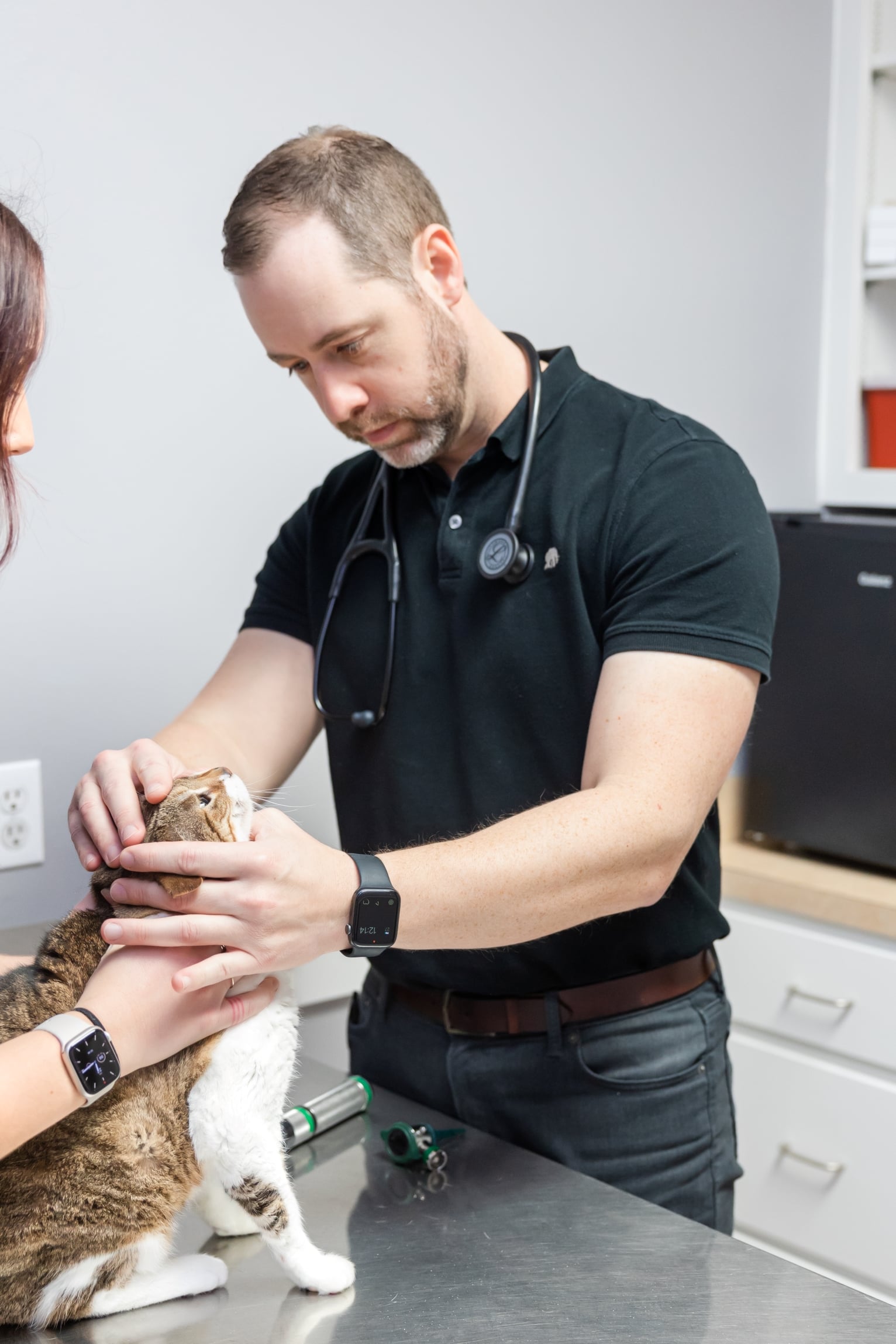
The structure of a wellness exam is not a rigid ritual; it adapts to the animal, but there is a dependable core. A well-run exam begins with a conversation. The veterinarian asks about recent changes in behavior, appetite, weight, energy levels, and any concerns you have noticed since the last appointment. A good clinician uses that information to tailor the physical examination. They check vital signs and use a stethoscope with intention, listening to the heart and lungs, listening for murmurs, irregular rhythms, or signs that a pet might be experiencing breathlessness only during exertion.
A careful eye also assesses the eyes, ears, mouth, and teeth. Dental health is a daily ally of overall wellness; problems in the mouth correlate with heart and kidney health later in life. The veterinarian notes the condition of the gums and teeth, looks for broken or missing teeth, and asks about chewing changes or signs of oral pain. In many practices, dental care is addressed during the same visit not as a separate service but as part of the ongoing wellness plan. The same care philosophy carries into the abdomen and hips—palpation to feel for unusual masses or tenderness, a quick assessment of the abdomen to sense organ size and configuration, and a careful check for signs of abdominal pain or discomfort.
Preventive care rides along with vaccinations, parasite control, and tailored recommendations that reflect the patient’s age and risk profile. Prairieville Animal Hospital emphasizes vaccination schedules that fit the pet’s history and the family’s lifestyle. The veterinary staff explains why a vaccine is recommended, what the potential side effects are, and how the pet will be monitored after administration. They also address parasite prevention in practical terms—what products work best in the local climate, how often to apply them, and how to maintain consistency across seasons.
The lab work that often follows the clinical exam is not a punitive measure or an alarm bell in disguise. It’s a planning tool. Blood work, urine tests, and sometimes imaging give the clinicians a window into the animal’s internal workings that you would not see from the surface. Early kidney changes, liver enzyme elevations, or unexpected electrolyte shifts can be detected before they translate into obvious symptoms. The aim is to catch, quantify, and respond in a way that aligns with the pet’s life stage and the family’s goals.
Age as a driver of care
In humans, aging is undeniable. In dogs and cats, aging is a process too, and it deserves deliberate management. Prairieville Animal Hospital treats age not as a hurdle but as a coordination problem: how to align medical surveillance with the animal’s energy cycles, daily routine, and family dynamics. A young adult dog may need a different kind of preventive emphasis than a senior cat who spends more time napping and less time in the yard. The wellness plan is not a one-size-fits-all template; it’s a living document that changes as the pet ages and as new information becomes available.
The clinic’s approach to senior pets often includes more frequent check-ins, a careful review of medications and supplements, and targeted screenings for conditions that tend to emerge with age. The conversations around senior care touch on mobility, dental health, nutritional needs, and cognitive function. Discussing these topics openly helps families anticipate questions and make decisions that preserve a pet’s dignity and comfort in later years. It also provides a framework for when to escalate care or consider more extensive diagnostics in a way that respects the pet’s quality of life and the family’s resources.
Integration with dental and surgical services
Wellness exams naturally lead into other core services Prairieville Animal Hospital offers, especially dental care and routine surgeries. Dental health is not a separate track; it is part of overall wellness. The clinic recognizes the strong link between oral health and systemic health. They come with a practical toolkit: professional dental cleanings scheduled alongside wellness visits, education on at-home dental care strategies, and ready access to anesthesia and monitoring for dental procedures when teeth require attention.
Spay and neuter services, as well as elective and necessary pet surgery, are positioned with the same focus on longevity and comfort. For many pets, a spay or neuter can be an early step toward better health outcomes, with careful planning around age, weight, and behavioral considerations. The team explains each step: what to expect before anesthesia, how the patient will be monitored during surgery, and what post-operative care will look like. The clarity of these conversations is not about pushing a service but ensuring families feel informed and reassured.
The practical side of choosing a veterinary clinic
When families weigh options for a veterinary clinic, practical questions matter as much as veterinary philosophy. Proximity matters for convenience, but not at the expense of the quality of care. Prairieville Animal Hospital has built its practice around accessibility, transparent pricing, and reliable communication. They maintain clear channels for appointment scheduling, reminders for vaccines and booster doses, and a patient portal that lets families review past visits, test results, and recommended care plans. The ability to access records quickly for a boarding facility, trainer, or pet-sitting service is not a luxury here; it is part of the everyday workflow that keeps care coherent.
Communication is not superficial at Prairieville Animal Hospital. The veterinarians and technicians take time to explain their findings in plain language, outlining the what and the why behind each recommendation. When a scan reveals a mild but persistent anomaly, you’ll hear a balanced discussion of risks, options, and the family’s priorities. There is no pressure to take the most aggressive route; there is a clear, patient-centered conversation about the best path forward given the pet’s health status and the household’s goals.
The staff brings experience from a range of clinical backgrounds, which helps when a pet presents with a less common problem or a combination of risk factors. They are comfortable translating technical results into practical next steps, whether that means adjusting a medication dose, recommending a specific diet, or scheduling a follow-up exam in a few weeks to track a response to treatment. The result is confidence that you are not navigating a medical maze alone but moving through it with a partner who understands both veterinary science and family life.
Two practical takes that often surprise new clients
-
Consistency over intensity. The value of a regular, properly timed wellness exam cannot be overstated. Even if your pet seems perfectly healthy, routine checks catch subtle shifts that accumulate over months. A small energy decrease, a slight weight drift, or a minor dental change can herald larger concerns if left unaddressed. The best choice is often a steady cadence of smaller inspections rather than waiting for a big issue to appear.
-
The right questions at the right time. You may come in with a list of concerns, and the clinician will address them, but they also use the visit to probe what you might not mention. They ask about changes in appetite, thirst, urination, or stool quality, the pet’s mood, and how the household schedules influence the animal’s daily life. The intent is to map risk factors and tailor a plan that fits your specific situation.
Two lists that illuminate practical aspects of wellness exams
-
Areas commonly reviewed during a wellness exam: 1) Heart and lungs, listening for murmurs or irregular rhythms 2) Eyes, ears, nose, and throat health 3) Dental health and oral hygiene 4) Abdomen palpation and organ health 5) Weight, body condition, and mobility assessment
-
Elements of a personalized preventative plan: 1) Age-appropriate vaccination schedule 2) Parasite prevention tailored to lifestyle and climate 3) Diet and nutrition guidance aligned with energy needs and weight goals 4) Exercise and activity recommendations that suit the pet’s age and temperament 5) Screening tests and management plans for chronic conditions
Real-world examples from the clinic floor
I have watched a diverse set of patients go through wellness exams with the Prairieville team. One case involved a middle-aged Labrador retriever who had a subtle weight gain over six months. The veterinarian explained how body condition scores work, compared the dog to a prior profile, and suggested a small adjustment to the food portion plus a brisk daily walk. The family appreciated the conservative, data-driven approach rather than a blanket directive to change everything at once. A year later, the dog’s weight had stabilized, the owner reported higher daily energy, and there were no signs of joint discomfort becoming a problem.
Another memorable scenario involved a senior cat whose owner worried about decreasing appetite and mild lethargy. The wellness exam uncovered early kidney changes that were not yet symptomatic. The team explained the concept of slow progression and offered a plan that included diet modification, careful monitoring, and periodic rechecks. It was a rare moment of relief for the family, who felt empowered by knowing what to watch for and how to respond should the numbers shift again.
For families with busy schedules, the ability to align multiple services under a single roof saves time and reduces anxiety. A dog who needs dental care can often receive that service in the same visit as a wellness exam, provided the patient is comfortable with anesthesia and the procedure schedule. A cat that requires a dental cleaning might be grouped with a preventive exam and a vaccine update, minimizing the number of trips to the clinic. These practical efficiencies matter a lot when you are balancing work, children, and a pet with health considerations.
Choosing the right moment for a vaccine and dental care
Veterinary vaccines are a cornerstone of preventive health, but the timing is not always obvious. Prairieville Animal Hospital explains the rationale behind each vaccine, including the diseases it protects against and the expected duration of protection. They also discuss potential side effects and the likelihood that a pet will tolerate the vaccine well. For many families, vaccination is an annual decision, while others may follow a two-dose schedule for certain vaccines in the early life stages. The clinician’s job is to clarify the trade-offs and support a consistent, realistic plan.
Dental care is equally critical. The clinic teaches families how to recognize signs of dental discomfort, such as trouble chewing, halitosis, or visible gum inflammation. A routine dental cleaning during a wellness visit can prevent serious problems later on, including tooth loss and infection that travels through the bloodstream. The practical approach is to pair dental care with the annual or semiannual wellness strategy when appropriate, ensuring the pet’s mouth remains a focus alongside body weight and organ function.
The role of technology and human touch
Prairieville Animal Hospital uses modern tools to support the wellness process without losing the human touch. Modern imaging and digital records accelerate the flow of information, but the experience remains person-centered. Patients respond to listening, eye contact, and careful pacing in the exam room. The clinic’s software helps remind families about vaccines and rechecks, but the real value comes from clinicians who translate data into plans that families can implement.
In the end, a wellness exam is about trust. You need to feel confident that your veterinarian sees the pet as a member of your family and not as a chain of symptoms to be resolved. Prairieville Animal Hospital earns that trust by getting to know your animal and your household over time. When a clinic becomes a stable part of your routine, care becomes less about crisis management and more about steady, predictable progress toward health and happiness for your companion.
What to expect in the weeks after a wellness exam
The period following a wellness visit often brings practical steps that owners can implement visit website with confidence. If vaccines were updated, you may notice a mild, short-lived reaction in a few hours to a day. This is common and not usually a cause for alarm, but it is worth noting and communicating with the clinic if anything unusual arises. If a diet change or new supplement is recommended, families often report a transition period where appetite and energy adjust. The key is to monitor, document changes, and stay in touch with the hospital if you observe anything that concerns you.
For pets with chronic risk factors, there may be a plan for monitoring that stretches across several months. The clinic might schedule repeat bloodwork or a urine test at a specific interval to confirm that the initial changes are stable or improving. When a plan is in place, it helps families stay on track even when life gets busy. That continuity matters. It’s the difference between a one-off visit and a healthcare partnership that grows with the pet.
Gauging success in preventive care
A successful wellness program is not only about avoiding disease; it is about preserving comfort and vitality. You measure success by how your pet maintains an active lifestyle, how well they tolerate routine activities, and how engaged they remain with you and the family. You notice small moments—a dog that happily finishes a morning walk a little quicker, a cat who returns to a favorite perch with a contented purr, a senior dog who can rise more easily after a nap because mobility is preserved. These signals are the fruits of well-planned preventive care, and Prairieville Animal Hospital is the partner who helps you read them.
The decision to entrust your pet’s health to a veterinary clinic is never taken lightly. It rests on a blend of past experiences, recommendations from trusted peers, and the day-to-day feel of a clinic when you walk through the door. Prairieville Animal Hospital has built a practice around the sustainable, hands-on work of keeping animals well. They are not chasing the next big thing at the expense of what works well for real families with real pets. The result is a care model that respects the demanding cadence of daily life and honors the responsibility you accept when you bring a living, breathing member of your family to the clinic.
A closing note about the value of a reliable wellness partner
If there is one lesson that emerges from years of seeing wellness exams in practice, it is that consistency compounds. A steady rhythm of preventive care, aligned with clear communication and practical recommendations, yields tangible benefits over time. Prairieville Animal Hospital has become a steady presence for many households, a place where parents, siblings, and pets can feel seen and understood. The clinicians bring medical competence and a pragmatic approach to everyday life, which makes the path toward health feel doable rather than overwhelming.
For families who are new to Prairieville Animal Hospital or who are contemplating a switch in veterinary care, a wellness exam is the best first conversation. It is a chance to observe how the clinic talks through options, how they listen to your goals for your pet, and how they translate medical knowledge into a plan you can implement starting today. The larger objective remains clear: to help your animal lead a comfortable, engaged life, with a healthcare partner who stands with you through the chapters of growth, aging, and the inevitable changes that come with a dynamic life shared with a pet.
If you are considering the next steps for your pet’s health, here are a few practical paths to begin with:
- Schedule a wellness exam at Prairieville Animal Hospital to review vaccines, dental health, weight, and mobility. Use the visit to align on an annual or semiannual plan that fits your family’s routine.
- Prepare a short summary of any changes since the last visit. Note appetite shifts, energy levels, stool consistency, and any behavioral changes. Bring a list of medications and supplements, if any, and a summary of your pet’s daily routine.
- Bring questions about dental care and home maintenance. If you know your pet hates brushing, ask for strategies that minimize stress while preserving oral health.
- Discuss a senior pet’s needs. If you have a dog or cat approaching their twilight years, use the opportunity to set expectations around monitoring, activity, and comfort.
- Consider the broader plan. If you are facing decisions about spay or neuter, or if you are weighing the benefits of early vaccination versus a risk-based approach, have an open dialogue about your goals for quality of life and longevity.
In the end, wellness exams at Prairieville Animal Hospital are about more than medical procedures. They are about partnering with families to keep pets thriving in the everyday moments that truly define life with an animal. It is in those moments—on early morning walks, during quiet evenings at home, and in the playful chaos of a living room full of life—that the true value of preventive care reveals itself. Prairieville Animal Hospital stands as a guide and ally in that journey, offering a steady hand, a listening ear, and the medical judgment that real-world pets and their people rely on.
❧